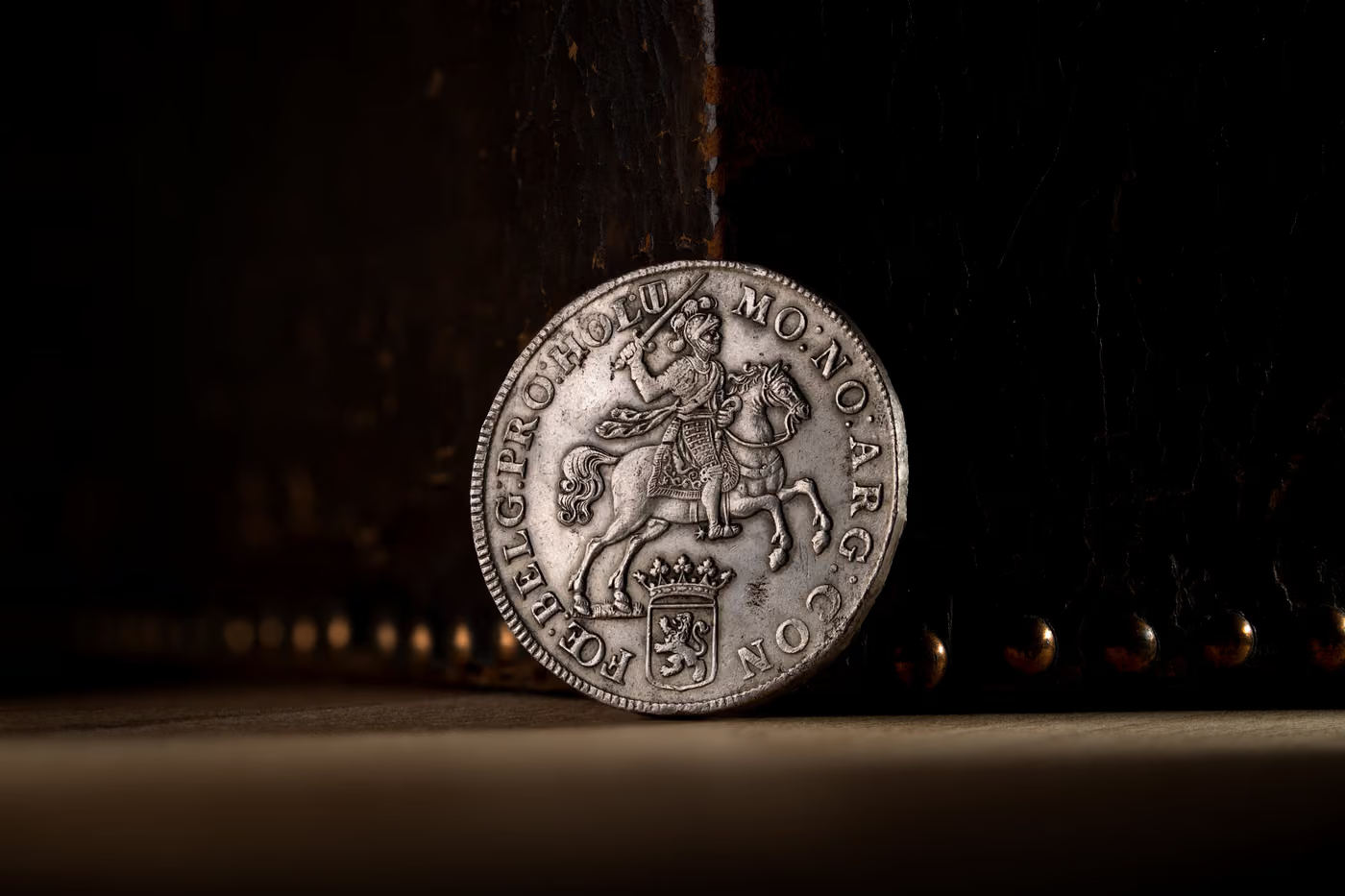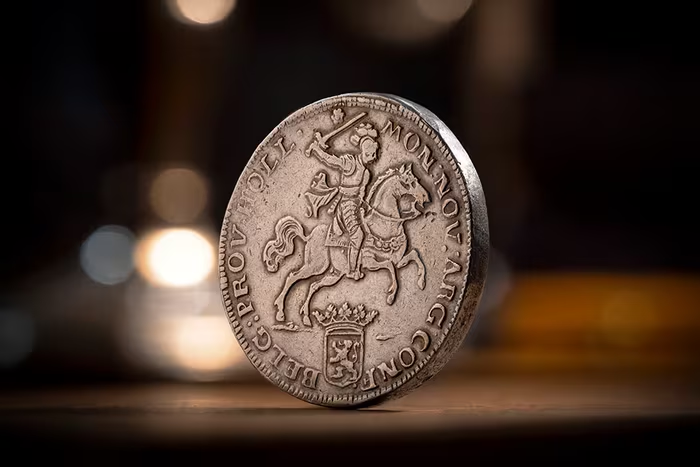
A piedfort is an exceptional type of coin known for its heavier weight and superior quality. The name comes from French and literally means strong foot (pied fort). In numismatics, the term refers to a strike whose weight is a multiple of the prescribed coin weight. A piedfort is therefore not a separate denomination, but a special variant of an existing coin.
Origin and significance
The first piedforts appeared in medieval France, where mint masters produced these heavy specimens as trial strikes or as presentation gifts for the commissioner of the coin. Due to their limited numbers, they quickly became regarded as symbols of prestige and craftsmanship.
From the 17th century, piedforts also appear in the Dutch Republic. They were produced more frequently and sometimes even sold to interested collectors. This gave piedforts a commercial function alongside their ceremonial value within early numismatics.
An example: the Amsterdam Piedfort Ducaton 1672
A renowned Dutch example is the Amsterdam Piedfort Ducaton of 1672, a coin of extraordinary rarity. While a regular ducaton (silver rider) weighs approximately 32 grams, the piedfort version weighs 65 grams. The coin combines double thickness with an exceptionally sharp strike and was most likely produced as a presentation piece for a high-ranking official.
Piedforts come up in our auctions with some regularity. A piedfort dukaton of 1673 sold in auction 376 as lot 142 for 8,000 euros; a piedfort dukaton of 1776 realised 40,000 euros in auction 378 as lot 609.
Characteristics of a piedfort
A piedfort can be identified by a combination of features:
- Higher weight than the regular coin, often double or more
- Deep relief and striking depth in the design due to the thicker flan
- Sharp strike of superior quality, produced with exceptional care
- Very limited mintage, often only a handful of known examples worldwide
- Distinguished provenance or specific mention in historical archives, numismatic reference works and auction catalogues
Because piedforts never circulated, the patina on these pieces is often undisturbed: no circulation wear, and no polishing marks from an owner who handled the coin daily.
Why are piedforts so valuable?
The value of a piedfort is determined by several factors:
- Rarity: many piedforts exist in only a handful of known examples
- Provenance: coins with a documented origin from a notable collection or historical context are especially sought after
- Quality of the strike: piedforts were produced with exceptional care and often display sharper details than the regular issue
- Period and significance: pieces from the Dutch Golden Age or the French Period are particularly desirable among collectors
Below are seven piedforts sold at our own auctions, with the year of the coin, the sale it appeared in and the result achieved. The series shows how widely the figures diverge, even within one and the same type.
| Piece | Year | Auction | Result |
|---|---|---|---|
| Piedfort daldre commémoratif | 1584 | 373 | € 26,000 |
| Piedfort Dutch rijksdaalder | 1643 | 368 | € 17,000 |
| Piedfort daalder of 30 stuiver | 1683 | 354 | € 17,000 |
| Piedfort 28 stuiver or florijn | 1692 | 362 | € 15,000 |
| Piedfort dukaton or silver rider | 1776 | 378 | € 40,000 |
| Piedfort 1/4 gulden | 1816 | 359 | € 12,000 |
| Piedfort 100 écu | 1989 | 364 | € 4,000 |
Curious about the value of a piedfort in your possession? Read more about how the value of old coins is determined, or request a free appraisal directly.
Piedforts in the modern era
Modern mints occasionally issue piedforts as well, typically in silver or gold with a limited mintage. These modern piedforts are primarily issued for collectors and serve a commemorative function.
Historical specimens remain the most sought-after pieces. That does not mean modern piedforts do nothing: the 100 écu piedfort of 1989 in the table above realised 4,000 euros. The difference with the early pieces lies mainly in the mintage, since a modern commemorative is struck in hundreds or thousands of examples and a seventeenth-century presentation piece in a handful.
Piedforts at Schulman b.v.
Schulman b.v. regularly features piedforts in its auctions and appraisals. Thanks to our expertise in rare trial strikes and special strike types, we can carefully establish the provenance and value of such pieces.
If you think you have a piedfort, weigh it first. Its weight against that of the regular issue is the quickest check you can make yourself, and it is the first thing we ask about. After that you can request an appraisal, sell at auction, or schedule an appointment.