Selling Roman Coins

Roman coins have captured the imagination for centuries. They are tangible witnesses to one of history's greatest civilizations and tell stories of powerful emperors, important battles, and ancient trade routes. Selling Roman coins therefore requires knowledge, experience and care. At Schulman b.v., a trusted address for collectors and enthusiasts since 1880, you are assured of an expert valuation and a safe sale. Do you have a complete coin collection
with Roman or other coins? We can help you with that as well.

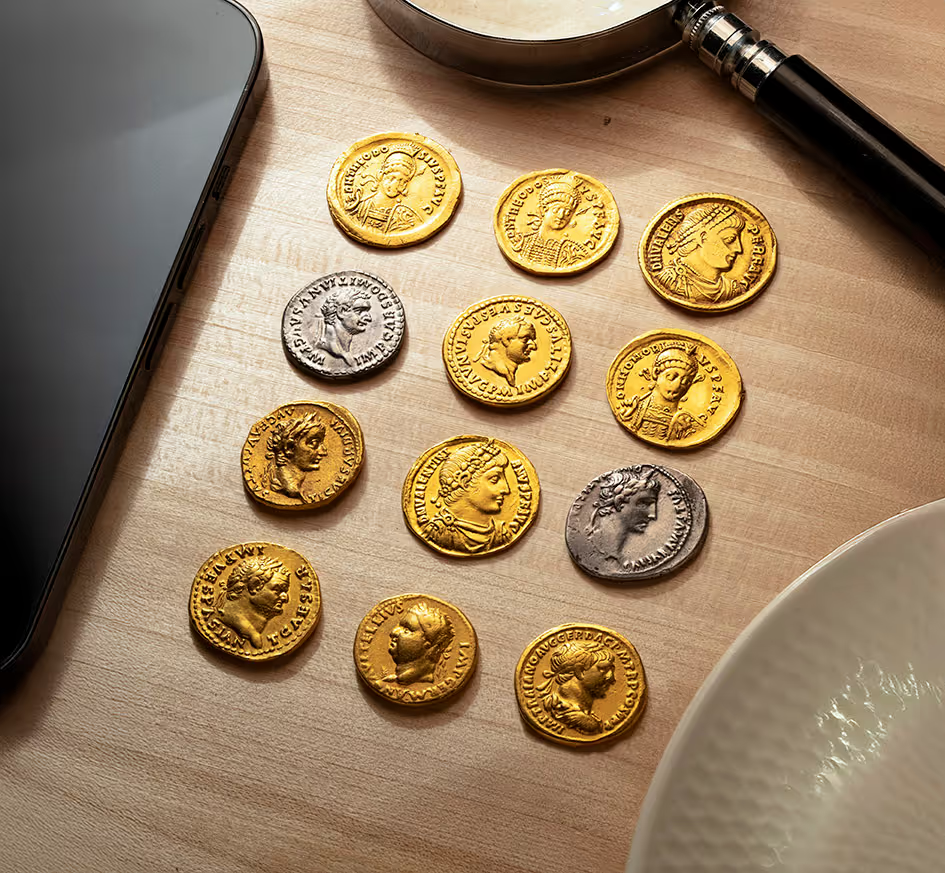
Set of Roman coins from the Roman empire for numismatists

Value of Roman coins

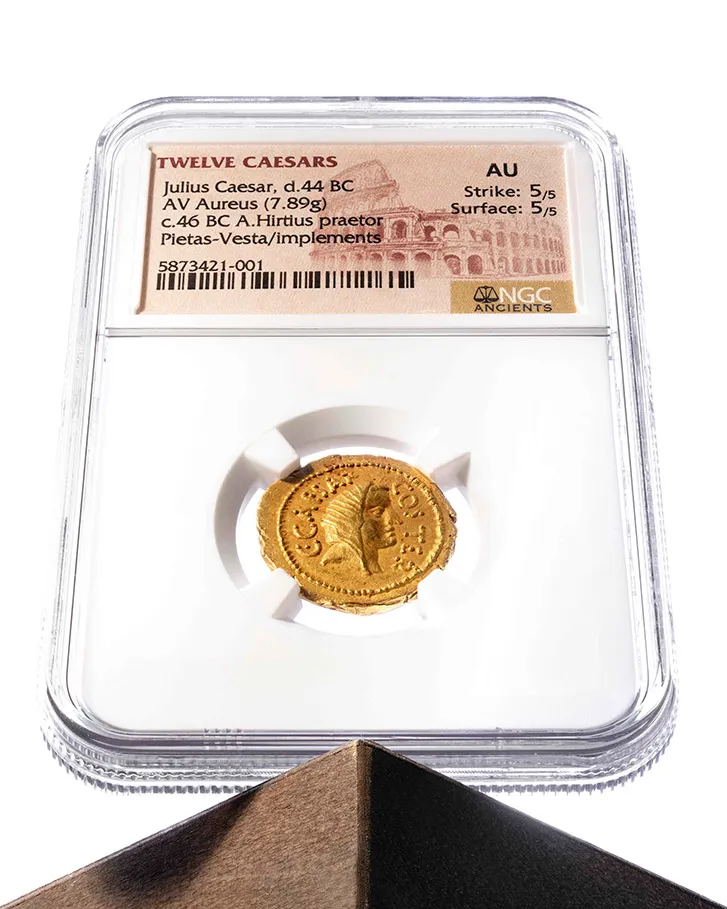
The value of Roman coins depends on various factors. Rarity plays an important role, as some coins have only been preserved in small numbers and are therefore coveted by collectors. Quality is also very important. A denarius that clearly shows the portraits and inscriptions of an emperor often represents a higher value than a heavily worn one. In addition, the historical context helps determine what a coin is worth. An aureus minted during the time of Julius Caesar or Augustus not only has a high precious metal value, but also a strong collector's value thanks to its historical significance.
Make an appointment

Direct sale or auction?

Roman coins almost always derive their value from rarity, quality and provenance rather than from the metal they were struck in. We therefore buy a Roman coin outright only when its value lies in the precious metal. In every other case we enter the coin into an auction, because that is where collectors pay for what makes the coin special. After the appraisal you will hear which route applies to your coins.
Twelve Caesars coin set with portraits of Roman emperors for collectors and numismatists

Auctioning Roman coins

Do you have rare or special Roman coins, such as a golden aureus or a well-preserved sestertius? Then an international auction may be the most appropriate sales method. Your coins are carefully valued, described in detail and included in our luxury auction catalog and online platform. Thanks to our worldwide network of collectors and enthusiasts, you can reach a wide audience and increase the chances of optimal revenue.
Hand holding a wooden gavel above a wooden base on a table before an auction

How do I know if my Roman coin is genuine?

Authenticity is crucial when it comes to Roman coins. Please note:
  1. Style and portrait (Roman iconography is well documented)
  2. Metal composition (bronze, silver, gold)
  3. Percussion marks and patina
  4. Location information or pedigree
Our experts assess whether a coin is authentic and suitable for sale or auction.

What determines the value of a Roman coin?

The value depends on:
  1. The emperor portrait (some emperors are rarer)
  2. The type of coin (aureus, denarius, sestertius, antoninianus)
  3. Rarity of the description or inverted image
  4. The state of conservation
  5. Historical significance (e.g. important emperors or events)
  6. Origin (provincial or imperial battle)
A rare and beautiful Roman coin can be worth many times more than its material value.

Is direct selling or auctioning better for Roman coins?

Both options have advantages:
  1. Direct sales are fast, clear and suitable for common coins.
  2. Auction is ideal for rare, high-quality, or well-documented Roman coins.
  3. International bidders can increase the yield at auction.
Our specialists each recommend the best route.

Are Roman coins with damage still worth anything?

Yes, often. Roman coins are thousands of years old and damage is common.
  1. Wear and corrosion do not have to completely destroy the value.
  2. The rarity and familiarity of the portrait and description remain decisive.
  3. Even damaged coins can retain collector value or be interesting for study collections.

Other ancient coins as well?

Sell Greek coins

Sell old coins

Sell a coin collection

Sell coins: all the options

Seventeenth-century silver medal with a rider on horseback
Don't miss out on anything

Our Upcoming Auctions