Coin grading

The value of a coin is not only determined by rarity or type of metal, but also by the state in which the coin is. The sharper the details, the better the shine and the fewer traces of use, the higher the quality. Assessing this quality is called grading. For collectors and investors, grading is very important: a coin that has been officially graded has a reliable quality indicator and is easier to trade worldwide
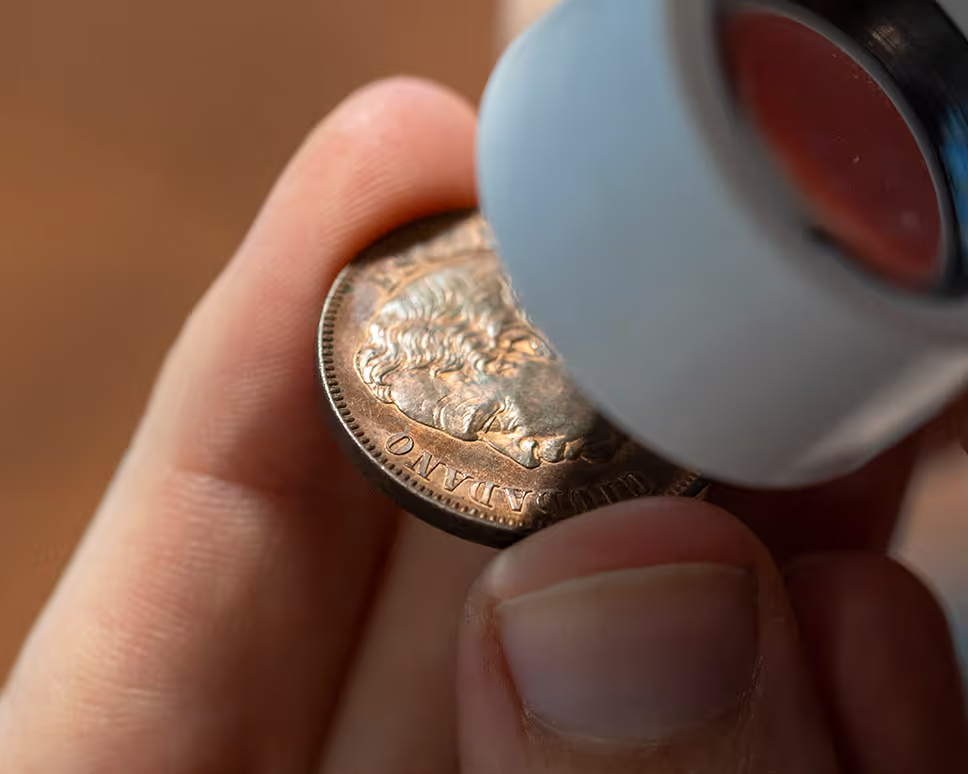
Coin grading and quality assessment of coins for collectors and numismatists
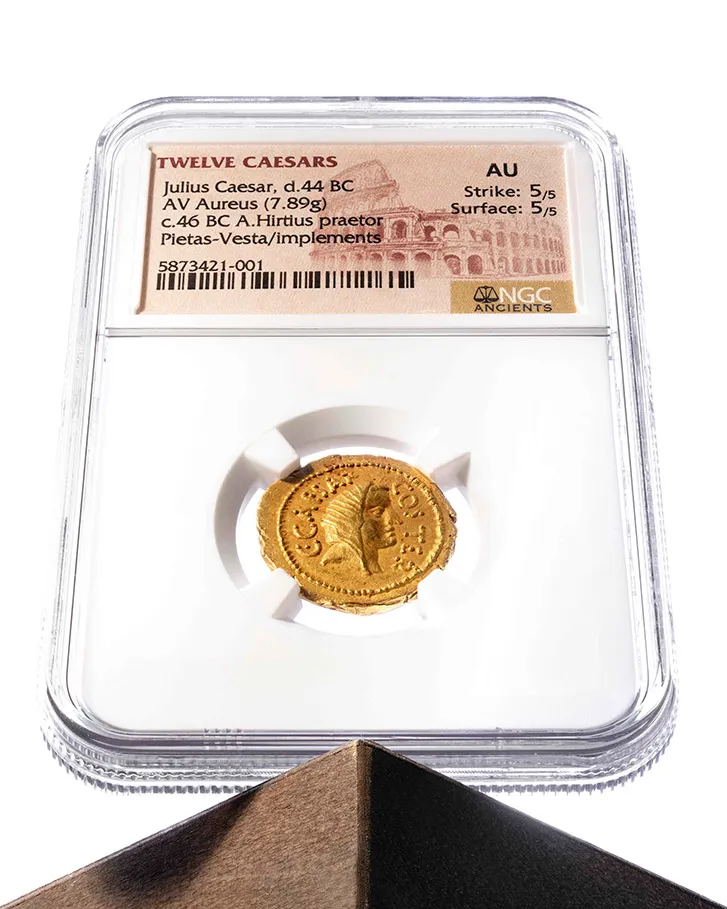
Twelve Caesars coin set with portraits of Roman emperors for collectors and numismatists

What exactly is grading?

Grading is the process of determining the quality of a currency according to international standards. This looks at factors such as:

• Coin wear
• Sharpness of details
• Presence of damage or scratches
• Shine, patina and overall appearance

The rating is expressed in a number on the Sheldon Scale, which ranges from 1 (poorly preserved) to 70 (perfect condition). Coins that have been professionally graded are often packaged in a so-called slab: a sealed holder with the grade and rating.

Grading by NGC and PCGS

Internationally, there are two organizations that are considered authorities in the field of grading: NGC (Numismatic Guarantee Company) and PCGS (Professional Coin Grading Service). Schulman B.V. has been working with both parties for years. We advise you when it makes sense to have a coin certified and guide the process from submission to certification.

Thanks to these international standards, your currency not only receives a recognized quality assessment, but also greater trust among buyers. This can make a big difference in the final value when sold or auctioned.
Auction coins
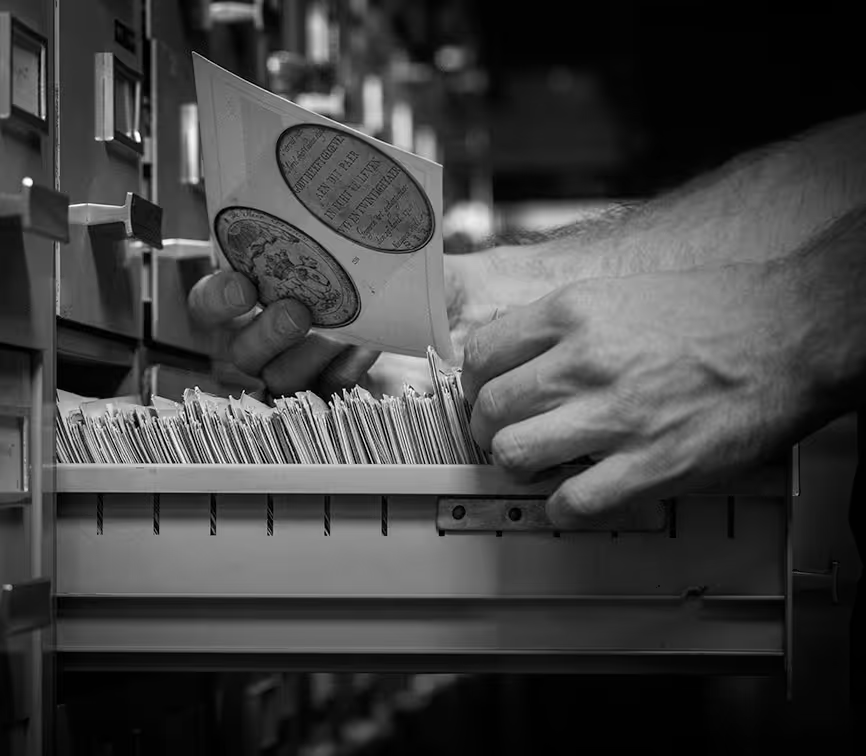
Archive of historic coins and collectables for research and appraisal
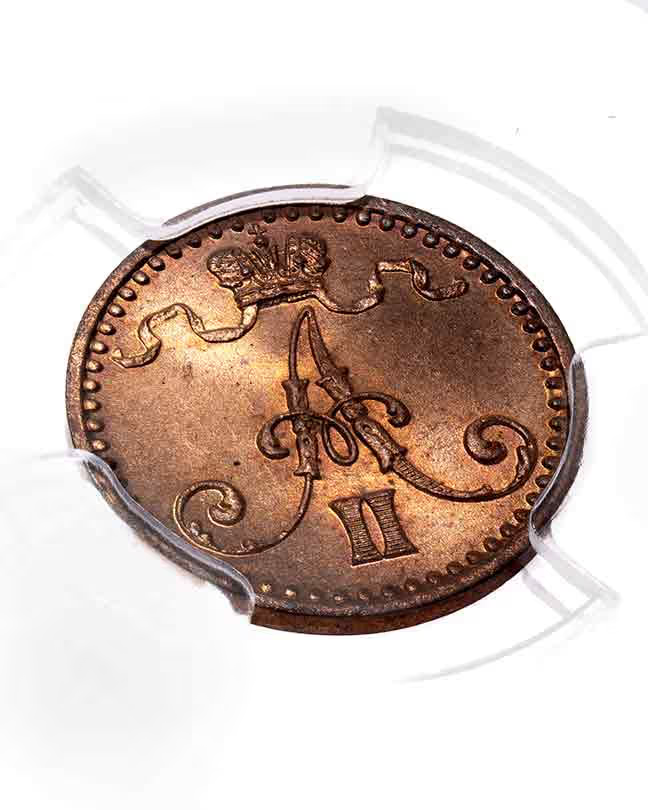
Finland. 1 Penniä 1866 over 1865. Rare overdate coin

Why grading is important

A graded coin has a number of advantages:

Objective quality guarantee — no more discussion about the state of the currency
International tradability — buyers and sellers around the world trust the same standards
Potentially higher value — especially with rare and high-quality coins, grading can provide considerable added value
safeguarding — slabbed coins are optimally stored and protected against damage
Help

Frequently asked questions

See all frequently asked questions

What exactly is coin grading?

Coin grading is the independent assessment of a coin's quality and condition by a specialist grading service such as NGC or PCGS. It considers factors including strike sharpness, wear, lustre, surface quality and any damage. The result is a single score that is recognised worldwide.

Why should I have my coins graded?

Grading offers certainty, transparency and confidence on the international market. A graded coin is protected in a sealed slab with a unique barcode and registration number. That makes the coin identifiable, verifiable and attractive to collectors worldwide.

Which grading service is better: NGC or PCGS?

Both services are among the very best in the world. PCGS is known for strict grading standards, while NGC is widely recognised internationally and maintains a large database. Schulman arranges grading with both and advises which is most suitable for your particular coin or collection.

Which types of coins are suitable for grading?

In principle any coin can be graded, but grading is particularly worthwhile for:
  1. Rare or valuable coins
  2. Coins in exceptional condition (UNC, FDC, Prooflike, Deep Mirror Prooflike)
  3. Ancient pieces with strong market interest
  4. International trade, where a single clear quality assessment matters

How does the grading process work through Schulman?

The process consists of four steps:
  1. Pre-assessment by our experts, to determine whether grading adds value.
  2. Preparation & documentation, in which the coin is carefully packed and registered.
  3. Submission to NGC or PCGS, shipped securely and fully insured.
  4. Return & feedback, in which the graded coin comes back in a slab, ready for sale, auction or your collection.

Is grading worthwhile for damaged or cleaned coins?

Not always. Coins that have been cleaned, hairlined or heavily damaged are usually classified as “Details”. Such a coin can still be valuable, but grading is not always the best choice. We assess this in advance so that you avoid unnecessary costs.

Can ancient coins be graded?

Yes. Both NGC and PCGS have dedicated departments for ancient coins. For ancient pieces grading is often valuable, because this category is sensitive to forgeries and to variations in detail. The authentication service of the grading companies provides extra certainty.

What does it cost to have a coin graded?

The cost depends on:
  1. The grading service (NGC or PCGS)
  2. The value or category of the coin
  3. included in a catalogue distributed to collectors worldwide
We give a clear indication of the grading costs in advance, so that you know exactly where you stand.

Does grading affect the value of a coin?

Grading in itself is no guarantee of an increase in value and is not investment advice. A verified, independent assessment does often improve a coin's market position, particularly for rare or high-quality pieces. Supply and demand ultimately determine the price.

Is a graded coin always supplied in a slab?

Yes. The slab (a hard plastic capsule) is sealed and contains:
  1. The grade (for example MS64 or PF62)
  2. A QR code or barcode
  3. Certificate number
  4. Relevant details such as mint or variety
This holder is tamper-resistant and recognised worldwide.

Can a coin be graded again (a regrade)?

Yes. On reassessment a coin can sometimes receive a higher grade, for instance following new insights or better lighting. We advise in advance whether a regrade is sensible.

Can banknotes be graded as well?

Yes. We also arrange grading of paper money through PMG and PCGS Banknote. The process is comparable to that for coins.

How do I know whether grading suits my collection?

We offer a free pre-assessment for any coin you wish to sell or consign with us. We look at rarity, quality, market interest and any varieties.

Can I consign graded coins to a Schulman auction?

Yes. Graded coins are well regarded worldwide and are highly suitable for our international auctions. They are included in printed catalogues, on online platforms and presented to our global base of buyers.

Are graded coins protected against forgery?

The slab has several layers of security, including holograms, seals and number registration. You can also verify the certificate number on the NGC or PCGS website to confirm authenticity.

Can a slab be opened or replaced?

 A slab can be opened, but doing so voids the grading. If it is damaged, the coin can be re-encapsulated (reholder service). This is done under controlled conditions by the grading service.

Can I look up my coin's certificate number?

Yes. Both NGC and PCGS provide an online database where the number gives you all the details of the coin, including photographs, varieties and population data.
Seventeenth-century silver medal with a rider on horseback
Don't miss out on anything

Our Upcoming Auctions